The different types of Cataract Surgery?

What are Cataracts?

Cataracts  are a condition where the clear natural lens of your eyes turns cloudy. This prevents sufficient light from entering your eye, causing it to be scattered and blocked. This causes a vision impairment, which will interfere with daily activities as vision deteriorates. Things will look blurry, hazy or colours might not appear as bright as they used to.

Some symptoms are as listed:

  • Vision that is Clouded, blurred or dim
  • Difficulty seeing at night
  • Sensitivity to light and glare
  • Seeing halos around lights
  • The need for bright light when reading and performing other tasks
  • Fading or yellowing of colours
  • Double vision in one eye

It usually occurs due to ageing. However, it may also be caused by family history, having had an eye injury, surgery or radiation treatments on the upper body, certain existing medical conditions or spending a lot of time in the sun. Factors like obesity, smoking and hypertension are also probable causes of cataract surgery Singapore..
f:id:Mikoe:20200629200307p:plain

Types of Cataracts

There are 4 main types of cataracts.

  • Nuclear Cataracts
  • Cortical Cataracts
  • Posterior Subcapsular Cataracts
  • Congenital Cataracts

Nuclear Cataracts

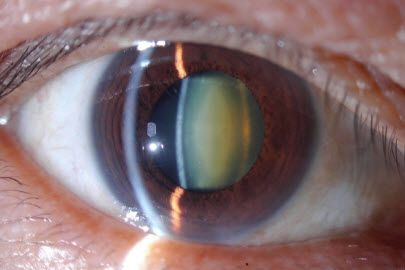
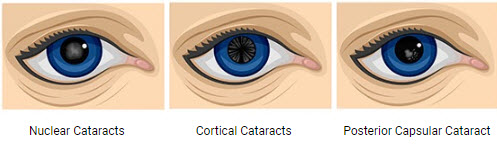
Known to be the most common cataract, the centre of the lens, also known as the nucleus, starts to harden and turn yellow, slowly increasing in radius. Some people might feel that their near vision improves temporarily because of the eye’s ability to focus on changes. This might cause difficulty in driving as well as seeing in places with a lack of light. As the cataract slowly progresses, the lens may even turn brown. This will cause difficulty in distinguishing shades of colour.

Cortical Cataracts

Cortical Cataracts are white, wedge-shaped opacities or streaks that form from the outer edge of the lens cortex and grow inwards. This causes light to scatter and increases glare and halos, especially at night or in the rain. This typically occurs in the lens cortex, which is the part surrounding the central nucleus.

Posterior Subcapsular Cataracts

These cataracts start as a small opaque area that forms on the back surface of the lens, obstructing the path of light. It will interfere with reading vision. There might be halos or glares around lights or a smudge around their vision. Posterior Subcapsular cataracts develop faster than other types.

Congenital Cataracts

These are cataracts that affect people when they are born, or when cataracts develop during childhood. These may be genetic or associated with an infection or trauma. Sometimes the cause may not be known, but it will usually be removed after detection.

Nuclear CataractsCortical Cataracts Posterior Capsular Cataract

Who usually gets Cataracts?

Usually, cataracts are more common among older people, although cataracts can happen at any stage of life. Cataracts are one of the biggest causes of vision loss in people over 40. Nuclear Cataracts are usually associated with ageing, while Cortical Cataracts occur commonly in Diabetic patients. Posterior Subcapsular cataracts are also often seen types in diabetics or those who consume oral steroids. Congenital Cataracts affect children either when they are born, or it develops a couple of years later when they are much older.

Can it be cured?

Vision can be restored if surgery is carried out, as the lens causing issues with opaque spots and clouding of vision can be removed, and replaced by an intraocular lens (IOL).

Types of Surgery

There are a total of 3 types of surgery, where 2 are mostly used. They are:

  • Phacoemulsification.
  • Extracapsular Cataract Surgery.
  • Intracapsular Cataract Surgery.

Phacoemulsification is the most common surgical procedure for cataracts. A small incision is made at the side of the cornea, which is the clear dome-shaped surface that covers the front eye. This procedure is usually carried out by a cataract surgeon, but currently, with the advancement of technology, there is the option to choose laser-assisted cataract surgery or even bladeless laser cataract surgery. The usual procedure is for doctors to insert a probe into the eye which emits ultrasound waves to soften and break the lens up for removal by suction. With laser-assisted or bladeless laser cataract surgery, the incision is made by a laser which is near to perfect. Then, the machine uses a laser to soften and break up the lens, to reduce the energy needed to remove the cataract. This will have a reduced risk of burning and distorting the incision. For the bladeless laser surgery, the whole procedure is 100% carried out by precise technology. This is available as an option for cataract surgery in Singapore.

Extracapsular Cataract Surgery is a procedure used in the case of highly advanced cataracts, which are too dense for phacoemulsification. For this procedure, a slightly larger incision on the side of the cornea is needed so that the cataract can be removed in one piece instead of being fragmented within the eye. The rest of the lens is removed by suction. Through this, the front capsule and cloudy lens comprising the cataract will be removed, leaving the back capsule to hold the artificial lens. Sutures will be needed to close the wound if it is much larger, which would result in a slower recovery of the wound as well as the function to see.

The last procedure is Intracapsular Cataract Surgery, which is now rarely used. It has an even larger incision compared to the previous two procedures. In this surgery, the entire lens with the surrounding capsule is removed. Sutures will be needed to close the flap.

Type of surgeryFeatures.

Phacoemulsification.

Or.

Laser-assisted cataract surgery/ Bladeless laser cataract surgeryMost common.

Sutures not needed.

Faster rate of recovery.

Higher precision rates (for laser).

Extracapsular Cataract SurgeryHighly advanced cataracts.

Sutures not needed if incision isn’t very big.

Recovery process takes 1-2 weeks.

Intracapsular Cataract SurgeryLeast common.

Huge incision.

Sutures needed.

After the cataract in the lens has been removed, an artificial lens will be implanted into the eye, completing the procedure. There are 4 types of intraocular lenses (IOL).

  • Monofocal.
  • Advanced Monofocal.
  • Multifocal.
  • Accommodative.

Monofocal provides good vision at a specific distance. However, reading glasses might be required for reading.

Advanced Monofocal has Aspheric and Toric lenses. Aspheric lenses provide better vision that is sharper especially in poor lighting conditions. Toric lenses treat astigmatism, which reduces the need for spectacles for distance vision. It is available as an option for both eyes for full distance correction, or Monovision using monofocal lenses. This means that the IOL power is chosen for good distance vision in one eye and good near vision in the other.

Multifocal provides good vision without glasses. For best results, it should be used in both eyes. Multifocal Toric IOL are still available, but they also incorporate the astigmatism correction.

Accommodative provides good distance and intermediate vision without glasses. This should also be used in both eyes.

Conclusion.

The lens chosen is dependent on the kind of lifestyle that you have and see which one fits your needs better. There is no age limit to anyone seeking to get cataract surgery. For young children and babies, instead of using a probe to break down the lens, a suction will be inserted to remove the cataract. In the past, there might be more opportunities for human error as this surgery requires precision and it can be quite tricky with the lack of technology. Now with the quick advancement of technology, this has allowed patients now to go through cataract surgery with a peace of mind as the procedure has been proven to be safe with more technology-aided tools.

Fitness coach

Fitness coach is part-mentor, part-guide, part-companion and even part-drill educator now and again yet their primary objective is to administer a person’s work out schedule in a wellness setting. They have an adoration for wellness and they center around a solid way of life, a pledge to a fit build and with a craving to impart their enthusiasm to other people.

In spite of the fact that the Singapore fitness coach style will change, the job of these fitness coach stay steady:

Personal trainers in Singapore

1) Personal mentor needs to help individuals seek after or keep up a solid way of life.

2) Want to teach individuals about the numerous approaches to take part in physical exercise and solid living.

3) Want to help individuals accomplish their own well being and wellness objectives.

4) Should have, at least: Knowledge of human life structures and the ideas of useful exercise, practice science, and essential nourishment

5) The capacity to effectively evaluate and screen their customers, both at first and dynamically

6) The capacity to structure well being, health, and physical work out regimes that are customized to their customers’ particular needs, needs, and objectives

7) The capacity to execute work out schedules that are both protected and successful

8) An exhaustive comprehension of cardiovascular, adaptability, and obstruction works out

9) A commitment to individual and expert respectability

The Singapore individual preparing programs instructed by fitness coaches, the vast majority of which are offered on a one-on-one premise, are shifted and dynamic, and are outfitted towards improving their customers’ well being and health. Be that as it may, do individuals truly require a Singapore fitness coach?

There are such a significant number of reasons why a fitness coach is fundamental to accomplishing your wellness objectives, regardless of whether they be weight reduction based, sports-driven or for athletic purposes. They include:

  1. Instructive – On the right exercise to accomplish wellness objectives, sustenance and way of life, how to diminish danger of damage, increment the viability of your wellness schedule.
  1. Help impeccable the activity structure – Ability to show the right stance and system to amplify results.
  1. Accomplish one of a kind prerequisites – Everybody is unique, and that implies everybody’s capacities and necessities are distinctive with regards to work out. This is the place the individual preparing in Singapore can have an enormous effect to your preparation program.
  1. Set sensible objectives – Everyone needs to accomplish their objectives straight away. However, these are not constantly reachable, and on the off chance that you don’t hit them, at that point you might be debilitated and apostatize. The Singapore individual preparing project will enable you to set practical objectives
  1. Help with explicit objectives – As well as helping their customers set sensible objectives, the Singapore individual preparing program likewise help you accomplish a particular objective. This is perfect for the individuals who are preparing for a particular occasion, or need to accomplish a specific dimension of wellness before they can accomplish something they truly need.
  1. Offers wellness and healthful guidance – When finishing their Certificate III in Fitness, each understudy is required to finish a module on nourishment and how it can influence wellness. By picking a fitness coach who has experienced explicit sustenance instruction, you realize that they will give the privilege dietary exhortation to accomplish your objectives.
  1. Help you structure great propensities – It can take a long time to frame great propensities, and much longer to break awful ones – and attempting to do it all alone is diligent work. The Singapore fitness coach energizes you the correct way and keep you on track to accomplish your wellness objectives.
  1. Adaptable timetable – Regardless of the season of your preparation, a fitness coach is a standout among the most flexible callings as far as hours. They will tailor arrangement times to suit you.
  1. Adaptability for area – Not every person appreciates the climate of a packed exercise center, or sitting tight for the machine you need to use to end up accessible.

Your fitness coach may have some hardware that they can carry with them, and your Singapore individual preparing should be possible in the solace of your own home or in your neighborhood park. With a fitness coach you have the adaptability to exercise wherever suits you best.

A personal fitness trainer  is your holistic mentor, sustenance direct and encourage across the board, and without the individual preparing in Singapore, your wellness objectives are a lot harder to accomplish. Hence, proceed to locate an expert Singapore fitness coach to help accomplish your wellness objectives. Read more Singapore fitness coach

Lasik no issue for cataract op

Q: I am 33 years old. I was told that if I do Lasik now, I will have problems doing cataract surgery in future when I am older. Is that true?

A: This is not true. Successful cataract Singapore is possible for people who have had laser-assisted in-situ keratomileusis (Lasik).

The surgical success rate would be exactly the same as that of an eye that has never had Lasik, as it is technically not any more different or difficult to perform cataract surgery on a post-Lasik eye than it is on a virgin eye.

Lasik surgery in Singapore   is a type of refractive surgery that corrects common vision problems, such as myopia (short-sightedness), astigmatism (when the eye surface is not round but resembles a rugby ball) and presbyopia (long-sightedness).

The corrective surgery enables the person to see clearly without spectacles. In 1999, the United States Food and Drug Administration approved Lasik for use in the US and the technique quickly gained popularity with patients.

Today, Lasik is the single most common refractive procedure in the world, with over 40 million procedures performed.

Whether you have had Lasik or not, everyone develops cataracts around the age of 60. This is due to the ageing process of the natural lens inside each of our eyes.

Given that Singapore has one of the highest rates of myopia in the world, many cataract patients here may have had Lasik in the past. These patients would still wish to remain spectacle-free after their cataract surgery.

Some eye surgeons may say that the results of cataract surgery in post-Lasik eyes are unpredictable. They may want old records of your eye measurements before Lasik surgery.

In the past, the calculation formula for lens implant power used during cataract surgery was based on the pre-Lasik spectacle prescription and cornea curvatures.

But advances in calculation formula, cataract surgery techniques and lens implants in the last 10 years have entirely changed the landscape of refractive surgery. Several advanced mathematical formulas have emerged, and these are used for precise calculation of lens implant power in post-Lasik eyes. The modern and more accurate formulas require no prior data at all.

Additionally, they provide greater refractive accuracy.

cataract surgery singapore

This allows surgeons to use premium lens implants for total correction of astigmatism and multi-focal implants for presbyopia correction in post-Lasik eyes.

New and innovative mono-focal and multi-focal lens implant designs to correct presbyopia can now improve refractive outcomes without sacrificing visual quality.

For those who have had mono-vision Lasik in their 40s and are used to it, it is advisable for them to maintain mono-vision, by undergoing cataract surgery with mono-vision lens implants.

Mono-vision is where one eye is corrected for seeing far distances while the other eye is corrected for near vision.

But some patients will opt for multi-focal lens implants. It is a misconception that multi-focal lens implants can not be used in post-Lasik eyes. Highly specialised refractive surgeons who handle both Lasik and cataract surgery are able to achieve accurate results and good outcomes with multi-focal implants.

This has been shown by many published studies worldwide.

Today, patients’ vision can be dialled back a few decades in time, even if they have had an earlier Lasik procedure.

Director and consultant ophthalmologist at the Dr Natasha Lim Eye Centre at Mount Elizabeth Novena Hospital

Teeth Whitening


dental

The subconscious impact of a white smile– radiant health, happiness, warmth and invitation- is part of the human condition. Beyond personal and social perceptions a contagious smile makes you feel and be perceived as a winner. This phenomenon has been reinforced with the spread of

American culture worldwide, where an especially white smile has even been coined a “white smile.” Social acceptance has created an ever-increasing public demand for whiter teeth, considered to be one of the keys to an attractive smile. Where does this perception come from? White teeth are subconsciously associated with youth and virility and are more desirable.

Today whiter, brighter, straighter, lighter teeth have become a norm. Moreover, dentists have had to create a special shade of “whiter than white” which even in the profession is known as “smile white.”


Whitening to the Rescue

A child’s deciduous (baby) teeth are generally whiter than the adult teeth that follow. With age adult teeth often become darker. Discolored teeth cause aesthetic impairment and psychological trauma. Attempts to whiten teeth as a result of tooth discoloration are myriad and date back centuries. Anything and everything from chewing gum to sophisticated dental restorative treatment has been and is being utilized.


Tooth whitening by bleaching is a successful, conservative, relatively inexpensive and safe alternative with few side effects, which for the most part are readily controllable.


Before teeth whitening – Aging example.After teeth whitening – Aging example.

Example of yellowish discoloration caused by aging– lightened by whitening

Before teeth whitening – Genetics example.After teeth whitening – Genetics example.

Example of genetically yellowish teeth lightened by whitening

Before teeth whitening – Smoking stains example.After teeth whitening – Smoking stains example.

Example of smoking stains removed by polishing and followed by whitening

Before teeth whitening – Tetracycline example.After teeth whitening – Tetracycline example.

Example of tetracycline antibiotic staining lightened by whitening

Whitening of teeth can be achieved by either:


An external– or “vital”– approach, where vital (living) teeth are bleached by direct contact to the tooth surface

An internal– or “non-vital” approach (where discoloration is due to pulpal tissue death which has required root canal treatment).

A third approach, which is a modification of both techniques, can be employed when bleaching vital and non-vital teeth in the same jaw together. This is called “inside/outside” bleaching.

This article will address external whitening by bleaching either professionally applied in the dental office or by home whitening techniques.


Causes of Tooth Discoloration.

Tooth discoloration may be described as intrinsic, extrinsic, or a combination of both. It varies in appearance, cause, severity, position, and adherence to the teeth. Intrinsic (internal) tooth discoloration is caused by changes in the structure of enamel or dentine or by incorporation of chromogenic (color generating) material into tooth tissue, either during tooth formation or after the eruption. Wear of teeth, thickening of dentin due to aging or as a consequence of pulp inflammation affect the light-transmitting properties of enamel and dentin, resulting in a gradual discoloration.


Aging results in changes in the mineral structure of the tooth; the enamel, the outer covering loses its beautiful and youthful translucency, becoming less porous; and the underlying dentin, which forms the body of the teeth thickens and becomes more yellow. Intrinsic discoloration is also caused by exposure to high levels of fluoride, tetracycline antibiotic administration during childhood, inherited developmental disorders, and jaundice in childhood. After the eruption, tooth decay, restorations, pulp death (root canal problems), and trauma to developing teeth, are the main causes of intrinsic discoloration.


Extrinsic staining mainly results from dietary factors and smoking; foods containing tannins such as red wine, coffee, and tea can give rise to extrinsic stains. Carotenes, pigments in oranges and carrots, and tobacco use, whether it is smoking or chewing, also give rise to extrinsic stain. find more periodontics.com


“I’ve tried for 10 years to conceive!”

As the title suggests, I had to wait for 10 years until I was able to finally conceive. This is my story. 10 years ago, when I was 26, I was happily married to my wonderful husband, David. We both loved children and wanted to have one of our own someday. We didn’t really look into doing family planning very seriously, as we were ok to start a family as long as we could conceive.

During the first few years of our marriage, we were both still busy with our careers. We would casually try to have a baby, but it seemed like we weren’t able to conceive any children. At the point of time, we thought “we are still young, it’s okay to wait a little longer to have children”.  David and I were still happy to have each other and didn’t let this become an issue between us. Over the years, people would ask us when we were going to have kids, but we simply just told them that we will just “see how”. If it happens, it happens.

When I was 32, we decided that it was about time to seriously start trying for a baby, since we are at the prime time to, and we built our careers to a point where we felt that we were stable enough to provide for a child. I was determined to try and conceive, but to my disappointment, we could not conceive. David was a little upset, but he also did not want to give up and encouraged me, saying “We will eventually be able to, don’t feel bad about it”. I felt like I couldn’t figure out what was the problem and it was frustrating since both of us were healthy and did not have any issues.

I related the problem to our friends, and they empathised with our situation since many of them had young children and they knew how much we yearned to have our own to take care of. They suggested we seek medical attention since it has been years since we started “trying”, although it only became more intentional recently. We began looking for a gynae in Singapore, and we stumbled upon a women’s Clinic in Singapore that seemed to be the answer to all of our problems.

During our consultations and speaking to the gynae, he understood our struggles and our wish to conceive as soon as possible. He told us that some tests had to be taken to see what were the available options for us to conceive. So we waited for the test results for both David and me to come back, before analysing options to conceive.

When we got back the results, David was cleared to be healthy with no existing issues. However, my results reported low levels of hormones, and because of my irregular periods, I was put on hormonal medication to regulate hormonal levels and to manage my periods. I was on the medication for a couple of months and had to monitor and track down my cycles to carefully calculate the window period in which I was ovulating in order to conceive.

While we met our gynae for regular check-ups to see if it was going well, we had not considered any fertility treatment yet as we wanted to try to naturally conceive. The doctor advised us to go for fertility treatment as it is the fastest way to conceive and the time window for me to conceive was sensitive. However, as David and I preferred to have things go naturally, we decided to spend more time to see if we could still naturally conceive before venturing to other options.

We tried to conceive, even after I consumed the medication that was supposed to help me. However to no avail after months of trying, it was difficult to conceive and I felt really frustrated. I just thought that it was ridiculous that this became such a huge problem and it was so difficult to get pregnant. We went back to the gynae and told him that it was not working out, and we wanted to find a solution to conceive. This was when he suggested that we take on fertility treatment, and we finally decided to take it.

After speaking to the gynae and understanding the different fertility treatments that are available, we decided to go for IVF (In Vitro Fertilisation). We decided to prepare for it, and I underwent tests to ensure that I was suitable for the procedure. During the uterus scans, I found out that I had a benign growth in my uterus, which the gynae diagnosed as Uterine Fibroids. This meant that in order for me to conceive, I had to undergo surgery to remove it.

I was devastated. Why me? I couldn’t understand. We were so close to having our own child, and I had to have all these ailments that were preventing me from conceiving. I felt like I had let David down, so I became really depressed for quite a while. David comforted me, telling me that we would go through it together and that he does not blame me for the circumstance that we were in.

We had to wait and schedule an appointment for the surgery, and thereafter, I had to go through a period of recovery before I was able to prepare myself for the IVF procedure. The gynae was very patient and explained the entire process to us gently and clearly, walking with us throughout the entire process. I was really grateful for that, and the support of my husband. Within a year, I was able to successfully conceive after 10 years, at the age of 36.

f:id:Mikoe:20200619171216j:plain

Right now, I am in my third trimester and are expecting to give birth to our wonderful baby girl in 4 weeks time. David and I are really excited and thrilled to start our next phase of life, and I’m really happy that fertility treatment has given us a second chance to have kids of our own. The journey has been filled with ups and downs which definitely tested us as a couple and individuals, but certainly, we have grown stronger from this incident, and I would want this to be able to encourage others who are trying to conceive to not give up, as it is ultimately possible.

5 Occupational Safety and Health Trends to Watch in 2020

Occupational Health and Safety  Trends to Watch in 2019 was one of our most popular articles of the year, so we decided to revisit the topic for 2020 safety trends 2020.

health and safety

The field of occupational safety and health is constantly changing and evolving. Workforce demographics, employee expectations, and other influences are changing our training methods and the tools we use to improve workplace safety.

As we move into the first year of a new decade, several trends are taking shape that will influence OSH during the next few years and beyond. Although no one knows for sure exactly what the future will bring, it’s a safe bet that these five trends will have a big influence on the field.

  1. High-Tech  workplace safety and health  Programs

Over the last few years, much of the focus of workplace health and safety programs have been on introducing high-tech tools and methods of training and leadership. This has included using online, self-directed training programs and modules, the introduction of apps focused on maintaining worker safety and health, and other tools designed to give people more autonomy over their own health and safety.

Many companies have found that these high-tech solutions are only part of the puzzle. Workers want personalized experiences; in fact, there’s evidence that millennials prefer learning from experience rather than via formal training. In 2020 and beyond, expect to see more safety programs that incorporate both technological and personalized solutions; for example, safety professionals may spend more time with their organization’s workers themselves, offering coaching during real-life situations.

  1. Many Safety Professionals Will Become Generalists

In the past, safety roles have been largely specialized. Companies might have an individual on staff focused on fire prevention and safety, for instance, while another was responsible for ergonomics.

More companies are now looking to streamline their teams. As a result, many safety professionals are being charged with overseeing all aspects of OSH in an organization, and they need to approach their work from multiple perspectives.

  1. Greater Focus on Total Health

Traditionally, OSH has focused on keeping individuals safe at work and protecting them from the risks of their job. In other words, the field has been focused on preventing injuries and illness on the job, and on the job only.

In 2011, the National Institute for Occupational Safety and Health launched the Total Worker Health Program, an initiative designed to support the overall health and well-being of workers both on the job and off the clock. It’s based on the idea that our work is a major factor in our overall health; everything from the hours we work to how much we earn to the emphasis on health in the workplace influences our overall well-being.

As we move into the next decade, expect to see this notion of supporting all aspects of employee well-being– including physical, mental, social, and financial health– rising to the forefront of OSH programs within workplaces. Employers will be expected to take better care of their employees, and OSH will be a big part of this push.

  1. Safety Concerns in Changing Workplace Environments

The workplace of today looks nothing like the workplace of 50 years ago. The rise of telecommuting, flexible scheduling, and the gig economy have created new safety concerns and potential liabilities for companies, such as:

Deciding how to train short-term or independent contractors in company safety protocols.

Determining how much training is necessary for these workers.

Developing protocols for addressing safety concerns for offsite workers.

Encouraging these workers to embrace the organization’s culture of safety.

OSH professionals will increasingly be charged with determining how to manage safety in changing workplaces and finding ways to protect both employees and employers from risks.

  1. Changing Demographics in the Workforce

Finally, the discord between millennials and baby boomers might be a punchline in late-night comedy these days, but the fact is that millennials are now the largest generation in the workforce, and they have different expectations for their work and everything related to it.

Attracting younger generations to pursue OSH as a profession will be critical, as much of the workforce has reached– or will soon reach– retirement age. In the Safety+ Health Magazine 2019 Job Outlook survey, 62% of respondents reported that they had personally observed a shortage of qualified professionals in the field, and 65% believe employers will fill openings with internal candidates even if they have little or no experience.

Selling the safety profession and encouraging young professionals to pursue degrees and certifications will be an important long-term strategy for organizations and the industry as a whole. Read more acumed.com.sg

Two ways to correct ‘lao hua’

Question: I have just turned 50 and reading is getting more difficult. Are there any permanent treatments for presbyopia correction?

Answer: Muscles which control the crystalline lens inside an eye automatically relax when we look at faraway objects and contract when we look at small objects close up. This enables the lens to provide the correct focusing power for far and near vision.

f:id:Mikoe:20200617183741p:plain

When a person is around the age of 40, the muscles within the eyes start to weaken in their ability to contract and expand the lens, losing focus for near objects.

Moving your reading material further away from your eyes can help as it adjusts the focus point of your eyes.

Around the age of 50, the lens starts to develop early cataract changes, becoming cloudier and inelastic.

f:id:Mikoe:20200617183851p:plain

The combination of weakened muscles and inelastic lens makes reading glasses a requirement at this age.

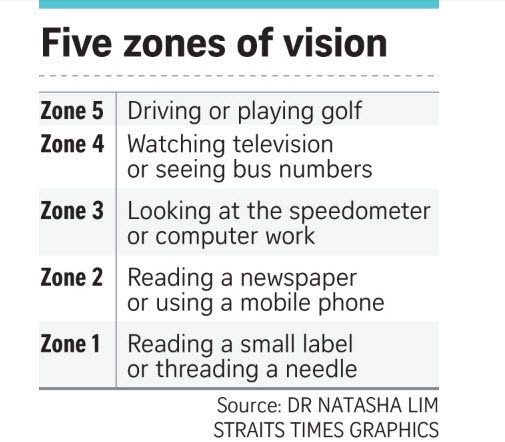
Many people with presbyopia (” lao hua”) still wish to enjoy all the five zones of human vision without spectacles.

The first option is mono-vision, using Lasik surgery to correct one eye’s focus for far vision (Zones Four and Five) and correct the other eye’s focus for near vision (Zones One and Two).

The brain then merges the two images, producing “blended vision” to achieve intermediate vision (Zone Three), thus enabling you to see relatively well at all distances.

f:id:Mikoe:20200617184036p:plain

To make sure you can adapt to this kind of vision, you would experience mono-vision with simulation lenses at the clinic before having a more permanent surgical procedure.

Lasik mono-vision does not prevent cataract formation.

By the age of 60, everyone with or without past Lasik experience would likely face blurred vision caused by cataracts and may require cataract surgery..

Normal cataract surgery can be performed in post-Lasik eyes and the new lens implant inserted during cataract surgery can correct presbyopia once again.

Your second option is cataract surgery and lens implantation. It is a one-time procedure without the need for repeat cataract surgery.

f:id:Mikoe:20200617184202p:plain

Refractive cataract surgery replaces a cloudy lens with a multi-focal lens implant to correct presbyopia.

Associated short-sightedness, long-sightedness and astigmatism are also treated completely, allowing you to be spectacle-free for all five zones of vision. This is a 15-minute, pain-free procedure.

Both options may cause a slight drop in the quality of distance vision, but it is not visually debilitating.

Many people feel it is a worthwhile trade-off in order to enjoy life without using spectacles and retain near vision after middle age.

Dr Natasha Lim

Medical director at Dr Natasha Lim Eye Centre at Mount Elizabeth Novena Hospital

How do you know if you need Physiotherapy or Sports Therapy

Both Physiotherapists and sports therapists are highly educated in dealing with musculoskeletal disorders, treating pain and injury through hands-on treatment modalities, rehabilitation and patient education. Both focus on restoring, maintaining and maximizing movement, relieving pain and increasing quality of life of people.

With each discipline overlapping the other, the borders between the disciplines can only be described as grey. So, how do you know whether if you need Physiotherapy in Singapore or sports therapy in Singapore, and which practitioner can offer the most appropriate treatment for your injury.

Physiotherapist – Physiotherapy Singapore  is to help people affected by injury, illness or disability through movement and exercise, manual therapy, education and advice. They maintain health for people of all ages, helping patients to manage pain and prevent disease. All the treatment of disease, injury, or deformity are by physical methods such as massage, heat treatment, and exercise rather than by drugs or surgery.

Sports therapist in Singapore – Sports therapists are experts in musculoskeletal disorders. They treat pain and injury through hands-on treatment and rehabilitation of the patient back to optimum levels of functional, occupational and sports specific fitness, regardless of age and ability. It utilizes the principles of sport and exercise sciences incorporating physiological and pathological processes to prepare the participant for training, competition and where applicable, work.

The two professions share many similarities and overlap in their treatment programmes which leads to patients being unsure whether they would be best suited to physiotherapy in Singapore or consulting sports therapists in Singapore.

However, there are some key differences:

Physiotherapists have a broader knowledge base and medical background, which allows them to treat illnesses, diseases, neurological and respiratory issues. This makes them ideal for treating a wide range of patients, including complex patients with multiple conditions. Physiotherapy in Singapore attempts to rehabilitate patients to allow them to feel comfortable and cope in their day-to-day life,

Sports therapist in Singapore generally has more exposure to sporting environments making them ideal for preventing sports injuries through specific strengthening programs. Sports therapist in Singapore focus on whether that the patient has returned to or can maintain the required physical level for whatever sporting activity they would like to carry out. As sports therapists focus solely on musculoskeletal rehabilitation and have a sports focused background, it makes them attractive to patients who are aiming to return to exercise.

Both professions of sports therapist in Singapore and physiotherapy in Singapore often are not a straight choice. It is recommended that you find your practitioner that you can trust and like and has the knowledge and experience to help you get over your condition.

Top 3 ENT Specialists at Novena

Otolaryngology is the medical speciality that deals with disorders and conditions of the ear, nose and throat (ENT) region as well as related to areas of the head and neck. Otolaryngologists also called an ENT specialist or doctor, are medical specialists that are concerned with the diagnosis and treatment of disorders of the head and neck, particularly the ears, nose and throat.

Among the conditions that are commonly treated by an ear specialist, throat specialist, nose specialist or head and neck specialist are injuries or nerve problems to ears, nose or throat, balance problems, dizziness, hearing impairment, Ear specialist, tonsil or adenoid infection, swimmer’s ear, breathing problems, asthma, or any discomfort or pain in your ears, nose or throat. In this article, we would be highlighting, in no particular order, the top three  ENT specialist  that are available in and around the area of Novena.

The first clinic is Dr Jeeve– The ENT Clinic that is located at 38 Irrawaddy Road # 07-46/47. Dr Jeeve Kanagalingam is an Ear, Nose and Throat Surgeon with sub-specialty expertise in thyroid, head and neck cancer and voice surgery. Having trained and worked in three continents gaining vast and rich clinical experience, it is no wonder that many have described Dr Jeeve as being extremely competent in helping patients with their ENT problems. Dr Jeeve is also known to many as a reassuring ENT specialist; he would go out of his way to make the whole experience or procedure as pleasant and stress-free, especially when he treats ENT problems in children. He provides clear explanations, believing that patients should be fully informed of their conditions and share in the clinical decision-making process. To make an appointment at this clinic, simply call +65 6710 7522.

K O Chan Ear Nose Throat Sinus and Sleep Centre is another ENT specialist clinic at Novena. It is located at # 10-11 in Novena Medical Centre. Dr Chan Kwai Onn spearheads the clinic and provides personalised and affordable ENT treatments that are combined with the latest in medical techniques and technology. He is known to present a thorough fact sheet on the patients’ diagnosis and provide snacks and beverages as comfort food after a procedure.

The last ENT specialist clinic at Novena of this article is the Novena ENT– Head and Neck Surgery Specialist Centre. It is located at Mount Elizabeth Novena Specialist Centre # 04-21/22/ 34. Their four ENT surgeons are recognised leaders in their respective sub-specialty fields and draw on more than a hundred years of combined experience. Novena ENT– Head and Neck Surgery Specialist Centre is the first and only private specialist practice in Singapore to provide complete hearing loss in Singapore  and cochlear implant services supported by Audiologist and a Listening and Spoken Language Specialist.

Depending on your condition, the ear specialist, throat specialist or head and neck specialist are also able to treat allergies, sinus and nasal problems as well as snoring and sleep apnoea, helping people to sleep better.

” Doc, My Menses Smells”

http://www.alife.org.sg

She looked worried and upset when she stepped into my consultation room. “Doc, my menses has a fishy smell for the past 2 months.” She said. “Am I having growth in my vagina?”

T, a 32-year-old housewife had been married for 5 years. Her husband worked in a neighboring country and returned home for a week every 2 to 3 months. She last had sexual intercourse with him 2 months ago.

On further questioning, T also noticed yellowish, sometimes greenish vaginal discharge on and off for the past 6 months. The discharge was accompanied by occasional itchiness and burning sensation around her vulva.

On examination, her vulva was inflamed and red. The vaginal discharge was creamy yellow and foul-smelling. The cervix was angry-looking with red hemorrhagic spots. A microscopic examination of the vaginal discharge demonstrated the presence of the parasite, trichomonas vaginalis as shown in Figure 1 below.

Figure 1

T was suffering from trichomoniasis, a disease caused by the micro-organism, Trichomonas vaginalis. The parasite is approximately the size of a human white blood cell. The fishy smell in the vaginal discharge and the menses is due to the presence of a chemical compound known as trimethylamine.

How common is trichomoniasis?

Trichomoniasis is one of the common sexually transmitted disease (STD). It occurs more often in women than in men. Risks factors of the infection include:

• Multiple sexual partners

• Sex workers

• Drug abuse

• Older women

• Poverty.

How is it transmitted?

The parasite lives in the semen and vaginal fluids. It is transmitted between couple during unprotected vaginal sex. In women, the most commonly infected area is the lower genital tract (vulva, vagina and cervix). Other body parts, like the hands, mouth, or anus are usually spared. Occasionally, the infection can be spread by sharing sex toys. Very rarely, it can be transmitted through objects like wet towels and toilet seats.

What are the symptoms of trichomoniasis?

Only about 30% of infected patients have symptoms. It is unclear why the rest remain asymptomatic. Probably this is related to the person’s age and overall health. The symptoms vary and can occur sporadically. They can present as a mild irritation or severe infection. The incubation period ranges from 5 to 28 days or longer. If untreated, the infection can last for months or years.

For women, the common symptoms are:.

• White, yellowish, or greenish with an unusual fishy smell.

• Itching, burning, redness or soreness of the genitals;.

• Discomfort with urination.

• Pain during sexual intercourse.

• Urinary frequency.

• Lower abdominal pain.

What are the complications of trichomoniasis?

Trichomoniasis increases the risks of getting or spreading other sexually transmitted infections such as chlamydia and gonorrhea. Pelvic inflammatory disease and infertility may result. If it occurs during pregnancy, there is an increased incidence of premature birth, intrauterine growth restriction (IUGR) and baby with low birth weight.

What is the treatment for trichomoniasis?

Trichomoniasis can be easily treated with medication. To avoid getting reinfection, both sexual partners should be treated at the same time. It is advisable to have a review 3 months later to make sure the infection is completely cleared.

T was treated with medication for 5 days. She noticed drastic improvement in her symptoms the next day and her menses was not smelly on her next cycle. However, reinfection occurred as her husband refused to be treated as he was asymptomatic. After much counseling and persuasion, he finally agreed to take the medication together with T who had remained symptom free since.

Dr Peter Chew is a gynecologist  specialising in Fertility Treatment  based in Gleneagles Medical Centre, Singapore. Read our next article on “COVID-19 and Pregnancy”.

Design a site like this with WordPress.com
Get started