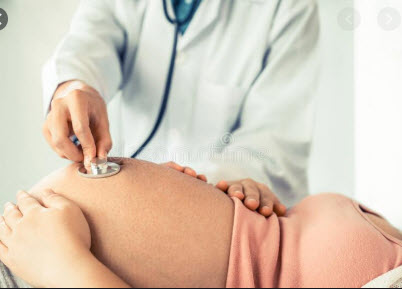
COVID-19 and pregnancy

She sighed a big sigh of relief when her COVID-19 tests were negative. M, 29, pregnant with a pair of twins was at 30 weeks of gestation. She had been having fever and cough for 2 days before she was admitted to the ward for observation.

For expectant mothers, the deadly virus has caused much stress and anxiety. It also raised many unanswered questions.

Effects on the mother:

Current data indicates that pregnant mums do not have a greater chance of getting sick from COVID-19 than the general public. There is also no evidence to suggest that infected expecting mums have more serious complications than non-pregnant women. In an analysis of 147 women, only 8 percent had severe disease and 1 percent were in critical condition, according to a report published on February 28 by the World Health Organization.

At present, there is no data to show an increased risk of miscarriage. Though there have been some babies born prematurely, it is unclear whether it is due to the virus.

Effects on the baby:

Available evidence has suggested that the virus is unlikely to cross the placenta and infect the fetus. Babies born to women with the infection seemed to be free from the virus and appeared healthy at birth according to a study published in Lancet in February 2020. After birth, the newborn is susceptible to person-to-person spread. Researchers have reported 33 babies with COVID-19 infection shortly after birth; only three had mild symptoms and signs of the illness.

Breast feeding:

Current evidence suggests that breast milk does not contain the virus. The Royal College of Obstetricians and Gynaecologists  (RCOG) advises that breast feeding is permissible if the baby is well. The concern is whether an infected mother can transmit the virus through respiratory droplets during the period of breastfeeding.

American College of Obstetricians and Gynecologists (ACOG) and the Society for Maternal-Fetal Medicine have the following suggestions:

  • Mothers with confirmed COVID-19 should take all possible precautions including washing her hands before touching the infant and wearing a face mask, if possible, while breastfeeding.

  • If breast milk is expressed with a manual or electric breast pump, the mother should wash her hands before touching any pump or bottle parts and follow recommendations for proper pump cleaning after each use. If possible, consider having someone who is well feed the expressed breast milk to the infant.

As very little is known about COVID-19, there are currently no recommendations specific to pregnant women regarding the evaluation or management of COVID-19 according to obstetrics fraternities (ACOG and RCOG).

Prevention:

As the immune system in the body does change during pregnancy and expectant mums infected with viruses from the same family as COVID-19 (e.g. SARS) can become more seriously ill, it is important for expectant mums to try to protect themselves by:

  • Avoiding people who are sick or who have been exposed to the virus

  • Cleaning their hands often using soap and water or alcohol-based hand sanitizer

  • Cleaning and disinfecting frequently touched surfaces daily

  • Wearing a facemask and avoid touching the face and eyes

  • Social distancing

  • Any other measures recommended by the local government

Dr Peter Chew is a gynaecologist specialising in Fertility Treatment services  based in Gleneagles Medical Centre, Singapore. Read our next article on “Pregnancy & Diabetes”.

How do I improve my overall image?

One’s overall Image refers to the way that one is presented to the outside. It helps people to form associations and remember who each other are visually. Images help people to form impressions of a particular thing in their brains.
 
Hence, it is important to have and maintain a good overall image when meeting people as it plays a huge role in how people view and remember you as. Albert Mehrabian, a pioneer researcher, conducted research on the impact of the message and the outcome was that 55% of it was attributed to appearance and actions. Not only that, but he also found that 65% of face-to-face communication is done non-verbally. 
 
This means that the kind of image and impression that one possesses is important as it affects the way people react towards each other and how they perceive one another to be. How can one improve their self-image and what does it take to have a good overall image? In that case, an image consultation course can help in aiding one to properly grasp the fundamentals and necessities of having a good presentable image that is authentic to yourself.


What kind of image consultation course  are there?
There are many professional companies offering image consultation courses as well as services that can allow both individuals and groups of people to learn more about themselves as well as how to properly present themselves. They offer courses for different groups of people, such as:
  • Private individuals
  • Corporate executives
  • Business owners
  • Public personalities
  • Politicians
  • Corporate companies – local and foreign
  • Educational institutions
  • Professional associations
  • Social clubs/societies
  • Community centres and social networking groups
 
Their courses can come in various types, such as basic to advanced, masterclasses, grooming and personal branding or even train the trainer for those who are looking to also train as an image consultant themselves.
 
Different companies package their image consultant courses differently, hence every course will consist of various expertises. Such services offered by companies are as such:
  • Wardrobe consultations
  • Colour consultations
  • Personal shopping
  • Clothing or uniform designer
  • Hair and makeup styling
  • Etiquette consultations
  • Executive presence coach
  • Fashion feng shui
  • Image motivational speaker or presenter
  • Image branding


How can it improve my overall image?
Attending image consulting courses can help you to realise your potential in many ways. The three main areas where image consultants can coach you on are physical appearance, behaviour and communication. 
 
These three aspects have a visual impact on your overall image. Such benefits are helping one to regain and improve self-confidence, knowing how to present themselves well to people from family and friends, to people in the workplace and even strangers.
 
​You will be taught how to dress well and appropriately for any occasion, learning colour analysis to know the type of colours that are suitable for you and find types of clothes that best suits yourself. Not only that, but you will also learn how to improve your body language and communication skills while understanding etiquette for both personal and professional situations.
 
image_1_orig.jpg
 
Conclusion
It is important to know that first impressions matter, and it can be hard trying to figure out how to improve your overall image, sometimes even not knowing what needs to be changed. This is where image consultation come into play to help individuals who do not know where to start from to find their true selves and project themselves as confident individuals who can make an impression right from the first meeting. If interested, you can look for an image consultant course in Singapore that will meet your needs and help you improve your overall image the way you want it.

Characteristics Of A Top Cataract Surgery

3 Characteristics Of A Top Cataract Surgery Singapore

Eyes are one of the most precious gifts one has. As gadgets usage is increasing every year, myopia and cataract rate has also been increasing. In Singapore, studies have shown that 80% of 18 years old suffer from myopia, and of which 20% have high myopia. Those suffering from high myopia will have a high risk of eye diseases such as retinal detachment, macular degeneration, early cataract and glaucoma. Cataract is due to the clouding of the natural crystalline lens inside the eye which causes light to be scattered and blocked. Hence resulting in impaired vision similar to the forested glass which affects night driving and glares of vision. In order to avoid these misfortunes, we should contact our trusted cataract surgeon immediately.

Cataract:

Cataract is the most common cause of vision loss mostly at the age of 40 and above. It is one of the main factors causing blindness in the world and can happen to anyone at any stage in life. At a young age, the crystalline lens in the eye is mostly clear and cataract does not develop. But as we age, mostly around 40-50 years, the natural crystalline lens becomes cloudy developing cataract and affects the vision particularly in low light conditions.

Main Symptoms:

Some of the main symptoms of cataract are:

Blurred vision

Lack of color differentiation

Scattered light and halos around the light

Poor night vision especially in low light

Need to change spectacles power but no improved vision

Types of Cataract:

There are many types of cataract but most common ones are:

Age-Related: is the most common type and is caused by many unknown factors.

Traumatic: caused by Blunt/Penetrating Eye Injuries, Electrocution, Chemical Burns, or Radiation Exposure.

Metabolic: caused by Uncontrolled Diabetes, Galactosemia, Wilson Disease, or Myotonic Dystrophy.

Treatments:

Cataract is not something that should be left untreated as it will not disappear on its own but will eventually result in vision loss. There are no medicines for Cataract but there are a few ways to treat Cataract. The most common way to treat Cataract is the bladeless laser cataract surgery which only takes about 15 minutes with over a million patients choosing the catarct surgery each year. According to SNEC( Singapore National Eye Centre) the success rate, safety, and predictability of the outcome is 97-98%.

Cataract Surgery:

As soon as you suspect Cataract with some of the symptoms listed above, you should not wait but straight away book an appointment with your preferred cataract surgeon. When it comes to medical treatment, we Singaporeans tend to be more kiasu, therefore, I have listed down 3 characteristics of a top cataract surgeon in order to make this process simple.

Qualification & Experience

Techniques & Facilities

Reviews & Testimonies

Qualification & Experience

As we start researching on Google for best eye doctor or cataract surgeon, the most important factor we all rely on is the qualification and experience. We need to make sure that the cataract surgeon is well qualified. For instance, Dr David Goh of NOVENA Bladeless Cataract Surgery & Eye Specialist Centre has studied in the UK with a number of medical degrees such as B.Med. Sci (UK), MBBS (UK), MRCOphth (Lond), FRCO (Lond) Medical Director & Senior Consultant Ophthalmologist.

Secondly, experience is a key to trust, if we know that a doctor has more than a decade of experience, we will definitely prefer him as compared to one with less experience. Dr Goh has more than 15 years of experience in this industry proving him to be your preferred choice for bladeless laser cataract surgery.

Affiliation & Facilities

Singapore is an international hub for medical specialists and people from south Asia, the middle east and around the world come here for the treatment of various complex diseases. Therefore, affiliation with reputable institutes and government bodies will prove to be an ambassador for those considering to make appointments. At the same time, if a cataract,specialist has the latest technologies and well-equipped facilities, it automatically builds trust and increases the chances of gaining good customer reviews. Dr David Goh provides an advanced computer-guided 100% bladeless laser cataract surgery. Being an Artificial Intelligence enthusiast, he aims to provide the latest and most advanced software technologies to provide premium eye care services to cataract patients.

Reviews & Testimonies

According to Google, % customer read the reviews and then decide which product and services to choose from. Therefore, it is important that we look at the online reviews before we choose our cataract surgeon. For instance, Dr David Goh, has intensive experience in ophthalmology, specializing in surgical experience in complex Cataract as well as simple and complex Glaucoma. He also routinely gives clinical skills lectures at regional and international level with many clients testimonials proving him to be one of the best Cataract Surgeons in the region.

Bladeless Laser Cataract Surgery is gaining popularity every year because of its quick painless effective procedure which is done within 15 minutes and patients are able to discharge within a few hours. Therefore, selection of cataract surgeon can be somewhat challenging but with a bit of online research, finding out about their qualifications and experience, affiliation and facilities and reviews and client testimonials, you will be able to choose the most suitable cataract surgeon for you and your loved ones. find more diabetic retinopathy

“Doc, My Menses Smells”

http://www.alife.org.sg

She looked worried and upset when she stepped into my consultation room. “Doc, my menses has a fishy smell for the past 2 months.” She said. “Am I having a growth in my vagina?

T, a 32-year-old housewife had been married for 5 years. Her husband worked in a neighboring country and returned home for a week every 2 to 3 months. She last had sexual intercourse with him 2 months ago.

On further questioning, T also noticed yellowish, sometimes greenish vaginal discharge on and off for the past 6 months. The discharge was accompanied by occasional itchiness and burning sensation around her vulva.

On examination, her vulva was inflamed and red. The vaginal discharge was creamy yellow and foul-smelling. The cervix was angry looking with red hemorrhagic spots. A microscopic examination of the vaginal discharge demonstrated the presence of the parasite, trichomonas vaginalis as shown in Figure 1 below.

Figure 1

T was suffering from trichomoniasis, a disease caused by the micro-organism, Trichomonas vaginalis. The parasite is approximately the size of a human white blood cell. The fishy smell in the vaginal discharge and the menses is due to the presence of a chemical compound known as trimethylamine.

How common is trichomoniasis?

Trichomoniasis is one of the common sexually transmitted disease (STD). It occurs more often in women than in men. Risks factors of the infection include:

  • Multiple sexual partners
  • Sex workers
  • Drug abuse
  • Older women
  • Poverty

How is it transmitted?

The parasite lives in the semen and vaginal fluids. It is transmitted between couple during unprotected vaginal sex. In women, the most commonly infected area is the lower genital tract (vulva, vagina and cervix). Other body parts, like the hands, mouth, or anus are usually spared. Occasionally, the infection can be spread by sharing sex toys. Very rarely, it can be transmitted through objects like wet towels and toilet seats.

What are the  symptoms of trichomoniasis?

Only about 30% of infected patients have symptoms. It is unclear why the rest remain asymptomatic. Probably this is related to the person’s age and overall health. The symptoms vary and can occur sporadically. They can present as a mild irritation or severe infection. The incubation period ranges from 5 to 28 days or longer. If untreated, the infection can last for months or  years.

For women, the common symptoms are:

  • White, yellowish, or greenish with an unusual fishy smell.
  • Itching, burning, redness or soreness of the genitals;
  • Discomfort with urination
  • Pain during  sexual intercourse.
  • Urinary frequency
  • Lower abdominal pain

What are the complications of trichomoniasis?

Trichomoniasis increases the risks of getting or spreading other sexually transmitted infections such as chlamydia and gonorrhea. Pelvic inflammatory disease and infertility may result. If it occurs during pregnancy, there is an increased incidence of premature birth ,intrauterine growth restriction (IUGR) and baby with  low birth weight.

What is the treatment for trichomoniasis?

Trichomoniasis can be easily treated with medication. To avoid getting reinfection, both sexual partners should be treated  at the same time. It is advisable to have a review 3 months later to make sure the infection is completely cleared.

T was treated with medication for 5 days. She noticed drastic improvement in her symptoms the next day and her menses was not smelly on her next cycle. However, reinfection occurred as her husband refused to be treated as he was asymptomatic. After much counseling and persuasion, he finally agreed to take the medication together with T who had remained symptom free since.

Dr Peter Chew is a gynaecologist specialising in Fertility Treatment based in Gleneagles Medical Centre, Singapore. Read our next article on “COVID-19 and Pregnancy

COVID-19 and pregnancy

women's clinic in gleneagles

She sighed a big sigh of relief when her COVID-19 tests were negative. M, 29, pregnant with a pair of twins was at 30 weeks of gestation. She had been having fever and cough for 2 days before she was admitted to the ward for observation.

For expectant mothers, the deadly virus has caused much stress and anxiety. It also raised many unanswered questions.

Effects on the mother:

Current data indicates that pregnant mums do not have a greater chance of getting sick from COVID-19 than the general public. There is also no evidence to suggest that infected expecting mums have more serious complications than non-pregnant women. In an analysis of 147 women, only 8 percent had severe disease and 1 percent were in critical condition, according to a report published on February 28 by the World Health Organization.

At present, there is no data to show an increased risk of miscarriage. Though there have been some babies born prematurely, it is unclear whether it is due to the virus.

Effects on the baby:

Available evidence has suggested that the virus is unlikely to cross the placenta and infect the fetus. Babies born to women with the infection seemed to be free from the virus and appeared healthy at birth according to a study published in Lancet in February 2020. After birth, the newborn is susceptible to person-to-person spread. Researchers have reported 33 babies with COVID-19 infection shortly after birth; only three had mild symptoms and signs of the illness.

Breast feeding:

Current evidence suggests that breast milk does not contain the virus. The Royal College of Obstetricians and Gynaecologists (RCOG) advises that breast feeding is permissible if the baby is well. The concern is whether an infected mother can transmit the virus through respiratory droplets during the period of breastfeeding.

American College of Obstetricians and Gynecologists (ACOG) and the Society for Maternal-Fetal Medicine have the following suggestions:

  • Mothers with confirmed COVID-19 should take all possible precautions including washing her hands before touching the infant and wearing a face mask, if possible, while breastfeeding.
  • If breast milk is expressed with a manual or electric breast pump, the mother should wash her hands before touching any pump or bottle parts and follow recommendations for proper pump cleaning after each use. If possible, consider having someone who is well feed the expressed breast milk to the infant.

As very little is known about COVID-19, there are currently no recommendations specific to pregnant women regarding the evaluation or management of COVID-19 according to obstetrics fraternities (ACOG and RCOG).

Prevention:

As the immune system in the body does change during pregnancy and expectant mums infected with viruses from the same family as COVID-19 (e.g. SARS) can become more seriously ill, it is important for expectant mums to try to protect themselves by:

  • Avoiding people who are sick or who have been exposed to the virus
  • Cleaning their hands often using soap and water or alcohol-based hand sanitizer
  • Cleaning and disinfecting frequently touched surfaces daily
  • Wearing a facemask and avoid touching the face and eyes
  • Social distancing
  • Any other measures recommended by the local government

Dr Peter Chew is a gynaecologist specialising in Fertility Treatment services based in Gleneagles Medical Centre, Singapore. Read our next article on “Pregnancy & Diabetes“.

A Miracle Baby: Grappling with Repeated Miscarriages

Never did she expect that starting a family was such a challenge.

She had had 3 miscarriages for the past 4 years. Y, aged  35, came from a neighboring country. For her first pregnancy, she conceived within  6 months of her marriage. She thought that everything would be smooth-sailing. Unfortunately, she had a miscarriage at about 10 weeks of gestation. She felt upset and grieved over her loss  for a while. It took her another year to conceive the second time.

The pregnancy progressed smoothly until the fetal heart stopped beating at 12 weeks of gestation. She was  devastated  and suffered a short spell of depression. She had some blood tests done by her local gynaecologist clinic in Singapore, who told her that all the results were normal and the miscarriage was due to “bad luck”.

She moved with her husband to another town due to his work commitments. She was pregnant soon after. Again, mishap happened at around 16 weeks of gestation. This time, she was told that the miscarriage was due to an abnormal wedge of tissue which was found to divide the upper part of her uterine cavity.

“Doc, can you please confirm this anomaly and help me solve the problem?” she asked. Y had a uterine septum which was confirmed by a magnetic resonance imaging (MRI). A uterine septum occurs when a full or partial wall separates the uterus. It is a structural abnormality and is formed during Y’s development as a fetus.

Cause of the septum:

During embryonic development, the uterus starts out as two small tubular structures. As the fetus develops, each structure moves downwards and towards the middle of the body where they fuse together to form a single organ.

Normally, the wall where the two tubes join in the middle will break down completely resulting in a single triangular shaped uterine cavity (fig 1). If the wall between the two tubes does not disintegrate completely, a septum will form (fig 2).

gynaecologist clinic in singapore

Prevalence:

About one in 10 to 15  women with repeated miscarriages has a uterine septum.

Symptoms:

Uterine septums increase the risk of a miscarriage by two to four times. It is suggested that if the foetus is implanted on the septum, the blood supply to the foetus may be compromised resulting in pregnancy loss.

Besides miscarriages, uterine septum may increase the risk for:

  • Preterm birth
  • Abnormal foetal position e.g. breech
  • Intrauterine growth restriction
  • Premature detachment of placenta: Placenta abruption
  • Stillbirths and neonatal deaths in the first week of life

Diagnosis:

Uterine septums are usually detected during an ultrasound examination, hysterosalpingogram(HSG) or magnetic resonance imaging (MRI). More recently, a modified ultrasound procedure, called sonohysterogram is used to provide better images and measurements of the septum. It involves instilling saline into the uterus and then looking at it with an ultrasound.

Treatment:

The septum can be removed with a simple surgical procedure using a hysteroscope. The uterus is distended with saline solution. The lighted telescope is inserted into the vagina, through the cervix and into the uterus. The septum is then incised. The procedure  is  usually done under general anesthesia.

Outcome:

After removal of the septum, the patient is advised to wait for two to three menstrual cycles for healing to take place before trying to conceive. About 50 to 80 percent of women will go on to have an uneventful pregnancy.

Y had a successful removal of the septum. She returned for review six months after surgery and was pregnant the following month. The antenatal period went smoothly without complication and she delivered a healthy male baby weighing 3.2 kg by Caesarean section.

When I saw her the next day after delivery, she looked at her baby in her arms and said “ Doc, it’s so surreal. I still can’t believe that I have a baby! I  look at him in wonder and will never forget the long and tough path I have travelled to bring him safely into the world. I am so lucky to have my little miracle baby”.

Dr Peter Chew is a gynae doctor based in Gleneagles Medical Centre, Singapore.

When do cascade issues typically occur?

When do Eye Cataracts  genuinely happen? To begin, we should see intelligently about Cataracts.

The course is the darkening of the eye’s trademark purpose of the assembly. Our place of union is orchestrated behind the concealed piece of our eye and works a huge amount of like a camera purpose of combination. It concentrates light that encounters our eyes to clarify vision on the retina.

For genuine formats as a Singapore cataract surgery  would clarify, our place of union is made of water and protein. Commonly, the protein is composed of the objective that keeps our place of assembly clear and permits light to enter. As we get progressively arranged, the protein begins to pack together and cloud little zones of our place of assembly which accomplishes foggy vision.

From the beginning, there might be no alterations in our vision that will impact our bit by bit living. All things considered, as the issue grows so does the lots of protein make. This makes our focal concentrates less adaptable, clear, and thicker, clouding our vision to a level where analyzing, driving or bit by bit rehearses become traded off.

What age does it normally happen?

It isn’t until after the age of 60 that by a wide margin most become mindful of it. This is the place the effects of falls begin to meddle with bit by bit plan. Regardless, beginning occasions of progress can begin at 40 years of age. In any case, nobody knows why unequivocally this occurs, our focal concentrates normally experience a creating technique as we appear in our 40s. DLS (Dysfunctional Lens Syndrome) is the depiction of the beginning occasions of falls. Regardless of whether made plans to have early or moved times of DLS, one should look for treatment to stop the advancement of falls. Right when patients with DLS appear at 60 years of age, it is standard that your place of intermingling will turn cloudy and make falls inside 65– 75 years old.

Notwithstanding how it is a trademark bit of creating for our place of the union to change the structure, there are seven factors that are in like way connected with course improvement. At whatever point maintained a strategic distance from any dangers while we are progressively youthful, we can lessen the risk of growing further complexities in our later years.

Other than growing, some course chance segments intertwine; awesome radiation, diabetes, hypertension, weight, smoking, statin solutions used to decrease cholesterol, past eye clinical strategy, essential liquor use, a family legacy. When visiting a Cataract Surgery in Singapore it is essential to think about these variables.

An enchanting examination point was composed to perceive whether race/ethnicity influences the danger of making falls. The outcomes outfit steady data to empower individuals with unequivocal foundations to keep up a key good way from potential danger as their legacy brings expanded hazard for eye ailments. Stood apart from

Caucasians, individuals of African or Asian legacy have an altogether higher risk of making falls and would require course clinical framework. Lucid reasons with respect to why this is the situation areas of not long ago foggy, regardless, experts imagine it could be a consequence of expanded intraocular pressure in the eyes. Despite the explanation, this is an update for everybody who falls in these ethnic foundations to make sense of how to ensure your sight. Knowledge a course master in Singapore at the most convenient stage to make pondered your issues by an expert.

Is presbyopia correction a risky operation?

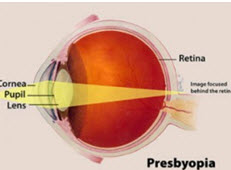
When young, the lens of the eyes is usually flexible, relatively elastic and the muscles surrounding it would easily reshape and adjust to accommodate both close and distant images. However, with age the lens and the muscles lose its flexibility and elasticity, becoming more stiff and rigid. Eye doctor believes that this would prevent the lens from changing its shape as quickly as it could, constricting the eye’s ability to focus light directly onto your retina.

presbyopia correction -in-Singapore

The first few signs of presbyopia are the gradual deterioration in the ability to read, having difficulty in reading small print or having eyestrain as well as headaches after reading or doing work up close. Patients would usually need to squint or adjust their reading materials to the ‘appropriate’ distance as well as require a brighter light to read or do work up close. Patients with presbyopia would also easily feel fatigue from doing all the tasks mentioned above and would have a problem seeing or focusing on objects that are up close. Today, there are many simple yet highly successful ways to correct refractive errors and conditions with little to no risk involved at all.

presbyopia-correction-implanting-a-multi-focal-lens

Before any presbyopia correction can be done, eye specialist would first assess patients to determine if they are suffering from cataracts. If they do, patients are presented with a choice between multi-focal lens technology or mono-focal lens technology for the lens implant surgery. These implants would be implanted during cataract surgery, removing all refractive errors including the likes of myopia, astigmatism and presbyopia to achieve spectacle-free vision. While it is implanted in the eye, multi-focal lens implants work similar to wearing ‘progressive’ spectacles which allow distance, intermediate and near focus. The brain will neuro-adapt to the multi-focal visual system postoperatively and will automatically select the eye to focus at whatever is the required distance.

On the other hand, mono-focal lens implant sets one eye for near vision, while the other mono focal lens implant sets the other eye to see the distance. The process of neuro-adaptation for mono-vision usually takes slightly longer, a week or two for the brain to adjust and begin to use the eyes naturally in a mono-vision manner. According to eye doctor, patients will never have to worry about spectacles and cataracts ever again as the power carried in the implanted lens are stable for the rest of the patient’s life and cataracts can never return after it is removed. Both procedures take 15 minutes and is performed under local anaesthesia.

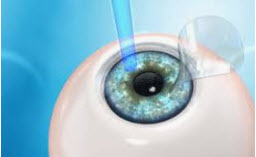
Younger patients with presbyopia but no cataract should be able to opt for LASIK as a presbyopia correction procedure. LASIK uses a laser to correct the shape of the lens, treating any refractive errors and restoring perfect vision. It corrects one eye’s focus for far vision and correct the other eye’s focus for near vision. The brain would merge these two images, enabling the patient to see relatively well at all distances. While it is a simple 10-minute pain-free procedure, LASIK mono-vision does not prevent cataract formation.

Head and Neck Specialist

What does a Head and Neck specialist do exactly?

Head and neck are the vital part of our body which protect our senses provided by our eyes, nose, ears, mouth and throat. There are many conditions related to head and neck which, if left untreated could cause serious damage to our sense organs, therefore, it must not be taken lightly. There are many well-known experienced head and neck specialist in Singapore, serving in both the public and private sectors. For instance, there are many well-known worldwide head and neck specialists in our government hospitals such as Singapore General Hospital, National University Hospital, KK Women’s and Children’s Hospital, National Cancer Centre Singapore, as well as in private medical institutions such as Mount Elizabeth, Gleneagles and Novena ENT – Head & Neck Surgery Specialist Centre and Parkway East Medical Centre.

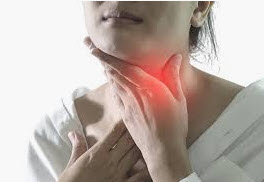
The specialization in the diagnosis and treatment of ear, nose, throat, and head & neck disorders is called otolaryngology. ENT specialist also known as otolaryngologists is a physician trained in both medicine and surgery, who specialized to treat a number of ear, nose throat and head & neck diseases such as cancers and tumours. Most common head & neck issues are Neck Lumps and Thyroids. Otolaryngologists are trained to treat benign and malignant infectious diseases such as tumours facial trauma, and deformities of the face as well as cosmetic plastic and reconstructive surgery. Researches show that by 2030, the number of new cancer cases per year is expected to rise to 23.6 million. Therefore, our experience and professional head and neck specialist at Novena ENT are at your service to provide the following head and neck treatment and surgeries.

  1. Thyroid Surgery
  2. Parotid Surgery
  3. Submandibular Gland Surgery
  4. Neck Dissection
  5. Laryngeal Surgery
  6. Phonosurgery.
  7. Surgery for Oral and Pharyngeal Tumours.
  8. Management of Nasopharyngeal Cancer.

Thyroid Surgery: also known as thyroidectomy, is used to treat common conditions and disorders related to thyroid gland, growth of tumours, hyperthyroidism and hypothyroidism due to the excess or deficiency of thyroid hormones. General anaesthesia and a small incision will be involved in the procedure, followed by regular check.

Parotid Surgery: The saliva secreting gland parotid is located near ear, neck, mouth and jawline area. Sometimes lumps may form in these glands and if left untreated for a long time, it might transform malignant. So be vigilant of an ear infection, swelling and pain of the parotid gland due to viral infection and make an appointment to see the ear specialist as soon as possible to avoid any hearing loss. In this procedure, Parotid Gland is surgically removed under general anaesthesia by making an incision around and behind the ear area which is hidden behind the hairline.

Submandibular Gland Surgery: Similar to Parotid glands, another salivary gland that may be affected by benign or malignant tumours, called submandibular gland, is located under the jawlines on both sides of face. Submandibular gland must be removed even when they are benign because of their speedy process of turning into malignant and prevent turning into cancer by seeing our experienced and well-known throat specialist.

Neck Dissection: Lymph vessels are a network of tubes that connect to groups of lymph nodes throughout the body. Most head and neck cancers and tumours are able to spread to other body parts through the lymph nodes quite fast and easily. At Novena ENT, our otolaryngologists ensure to provide you satisfactory results by surgical procedure of neck dissection, by removing some or all of the infectious parts.

Laryngeal Surgery: Suitable for patients with Larynx, commonly called voice box cancer where a part or all of the larynx is removed. Laryngeal Surgery may be advised to be done along with chemotherapy or radiation treatments.

Phonosurgery: Similar to the Laryngeal surgery, Phonosurgery is recommended for those whose previous treatments have proven not to be effective in order to aim the root cause of the condition for longterm cure rather than looking for temporary treatment.

Surgery for Oral and Pharyngeal Tumours: Throat and mouth are very crucial part for of our body as they enable us to eat and swallow, therefore in order to treat tumours in the Oral Cavity and Pharynx, a surgical procedure will be advised by our experienced ENT specialist, followed by the replacing and restructure of the mouth and throat area.

Management of Nasopharyngeal Cancer: Nasopharynx cancer is the most common cancers affecting the head and neck area. Radiation Oncologists and Medical Oncologists are recommended for patients suffering from Nasopharyngeal Cancer along with the coordinated care and regular follow up treatment.

Cancer is among the leading causes of death in the world but with the advancement in medical science it has been possible to cure cancer if it is detected at an early stage. According to a research, the number of cancer survivors is expected to increase to 20.3 million by 2026. So if you suspect any lump around your neck area, or suspect any of the symptoms, go for a checkup to consult your trusted head and neck specialist in Singapore at Novena ENT, in order to detect the cancer at an early stage and to prevent it from spreading soonest to be able to get the latest innovative treatment you deserve.

Sports physio will always give you the most appropriate treatment

The sports physio will always give you the most appropriate treatment for your injuries

Both profession in physiotherapy and sports physio need to be highly educated in dealing with musculoskeletal disorders, treating pain and injury through hands-on treatment modalities, rehabilitation and patient education. Both focus on restoring, maintaining and maximizing movement, relieving pain and increasing quality of life of people.

A sports physio is a registered physiotherapist who has achieved further study after completing a physiotherapy degree – in which students achieve an understanding of the physical, structural and the physiological aspects of human form and movement.

Sports physio in Singapore generally has more exposure to sporting environments making them ideal for preventing sports injuries through specific strengthening programs. In this specialised branch of physiotherapy, a sports physio provide advice on how to avoid sports injuries, treat injuries and help recovery to those playing recreational sport right through to the highest level of sports. Sports physio in Singapore work to assist sports players and professional athletes to perform at their best.

Athletics is an excellent way of staying fit and healthy. However, injuries often go hand-in-hand with sports participation. Even if you manage to avoid acute injury, chronic issues can crop up over time. Every athlete can benefit from professional guidance and advice from a physiotherapy clinic.

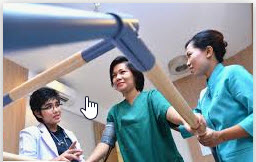
The Singapore physio provides prompt and expert care for any type of sports injury to get you feeling better and back on the field fast. These include sprains, strains, dislocations, and recovery from fractures. The physiotherapy clinic has access to the latest in advanced exercise equipment designed to assist you with strengthening and improving flexibility. The goal is to treat and prevent further damage and to return the athlete to full function in the shortest possible time.

Prevention is better than cure and the Singapore physio will always advise the patient on how to prevent recurrence of the injury upon return to sport. By visiting the physiotherapy clinic, patients can then return to optimal function as quickly as possible with the minimum risk of recurrence.

Design a site like this with WordPress.com
Get started